Most “best branding agencies” articles make the same mistake. They give you a flat list, a few polished summaries, and then leave you to work out which agency is actually right for your business. Superside’s current roundup is a good example of the format done neatly, but it is still a self-including list built around broad recommendations rather than deep buyer guidance. A stronger page needs to be more transparent, more segmented, and more useful to real decision-makers. Google’s current guidance for AI search is also very clear: the goal is not commodity content, but unique, satisfying, people-first content that answers real needs.
If you are choosing a branding agency, you are not really choosing a logo supplier. You are choosing a partner to help define how your company is understood, remembered, trusted, and bought. That might mean brand strategy, category positioning, verbal identity, messaging, visual identity, brand architecture, rollout systems, digital experience, or all of the above. The right partner for a deep-tech startup is not the same as the right partner for a global enterprise rebrand, and it is definitely not the same as the right partner for a luxury or culture-led brand.
In a hurry? Start here
Best branding agency for startups:C42D
Best for enterprise transformation:Landor
Best for brand strategy and business weight:Interbrand
Best branding agency for technology:Phable
Best for culture-shifting rebrands:Wolff Olins
Best for design-led premium branding:Pentagram
Best for high-craft contemporary systems:Koto
Best for challenger brands:Ragged Edge
Best for innovation-led positioning:Motto
Best for simplicity and clarity:Siegel+Gale
Best for breakout consumer and founder-led brands:Red Antler
What this guide covers
The best branding agencies overall
The best branding agencies by category
What branding agencies actually do
What branding work typically costs
How to choose the right partner
Red flags to watch for
Frequently asked questions
What a branding agency actually does
A serious branding agency does far more than produce a logo or tidy up a colour palette. The stronger firms work across positioning, research, messaging, naming, visual identity, rollout, and increasingly digital and experience design. Pentagram describes its work as spanning identity, strategy and positioning, products and packaging, websites and digital experiences, communications, data visualisation, sound, and motion. Landor positions itself across consulting, design, and experience. Siegel+Gale frames its value around untangling complexity so brands can show up more boldly and clearly. In other words, branding at the top end is about business clarity made visible, verbal, and usable.
That matters because buyers often brief the wrong kind of partner. If your problem is strategic confusion, a purely visual studio may not solve it. If your problem is rollout, a high-concept deck may not be enough. If your company is technical, regulated, or investor-facing, clarity matters just as much as aesthetics. That is one reason category fit matters more than generic prestige.
How we chose these agencies
This is not a “who has the prettiest website” list. It is a fit-based shortlist built around the kinds of branding decisions real companies make in 2026. The criteria were straightforward: strategic depth, clarity of positioning, quality of identity thinking, evidence of business-stage relevance, visible specialism, and how useful each agency appears for a specific kind of buyer. That is a better model than a flat universal ranking, because Pentagram, Landor, C42D, Ragged Edge, and Phable are not solving the same problem for the same type of client.
Disclosure: This guide is published by Phable, which is included among the agencies discussed. It reflects our editorial perspective and is not an independent ranking.

The 15 best branding agencies in 2026
Source: Pentagram
1. Pentagram
Best for: design-led branding with world-class range
Best suited to: premium brands, established businesses, cultural institutions, ambitious rebrands
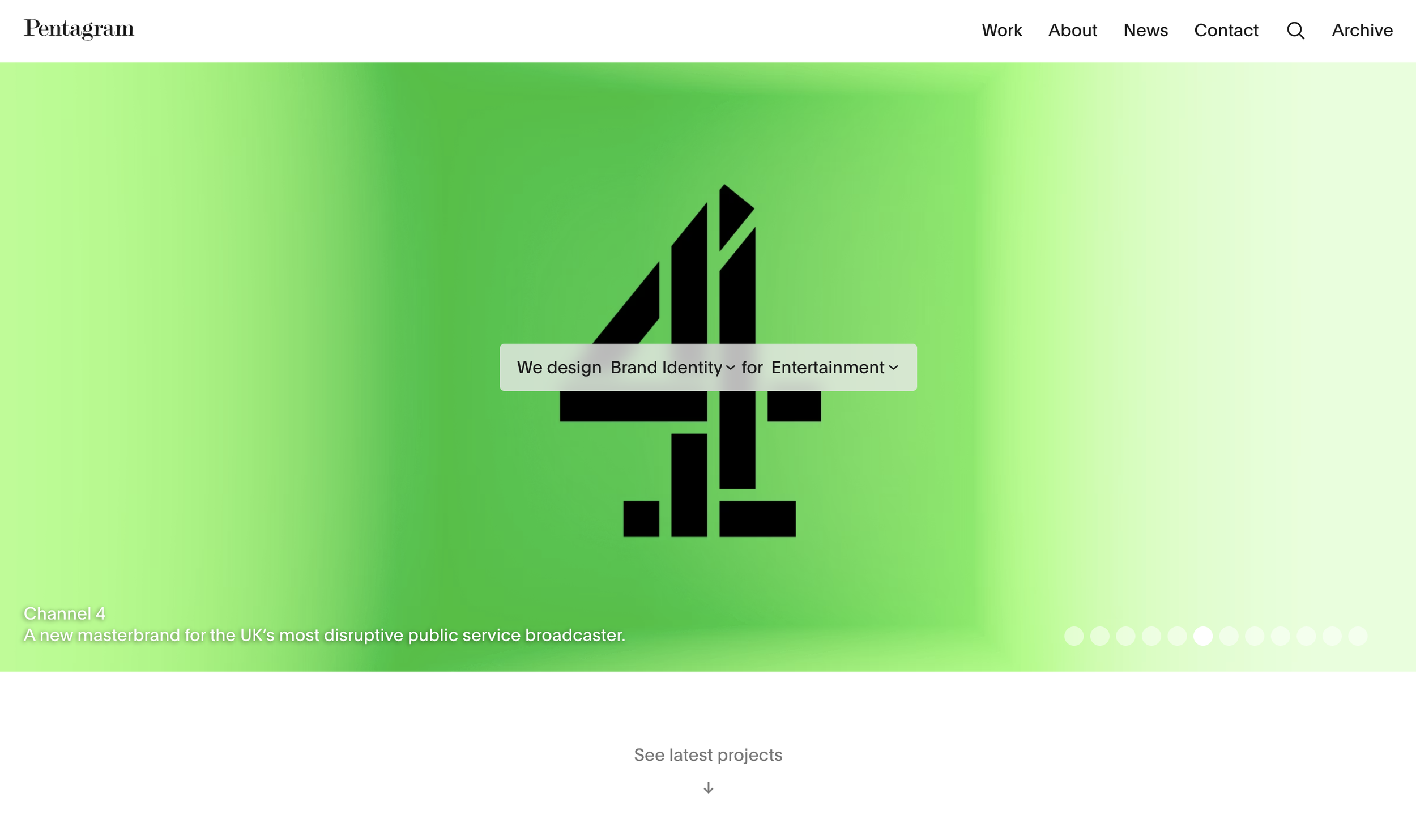
Pentagram remains one of the clearest benchmark names in branding and design because of the breadth of its offer and the strength of its partner-led model. Its official About page describes it as a multi-disciplinary, independently owned design studio whose work spans graphics and identity, strategy and positioning, products and packaging, websites and digital experiences, advertising and communications, data visualisations, typefaces, sound, and motion. That breadth gives Pentagram unusual versatility when a brand has to live across many channels and formats.
Why it stands out: creative authority, multi-disciplinary depth, premium design reputation.
Source: Landor
2. Landor
Best for: enterprise transformation
Best suited to: large organisations, global businesses, complex rebrands
Landor is especially strong when branding is not just a design project but a business change project. Its homepage says it builds brands designed to transform business, customer, and employee experiences, and it organises its work around consulting, design, and experience. It also explicitly says it connects business strategy to brand using insight, data, and analytics. That makes it highly relevant for enterprises dealing with internal complexity, customer journey issues, or multi-market change.
Why it stands out: enterprise strength, experience thinking, business-transformation lens.
Source: Phable
3. Phable
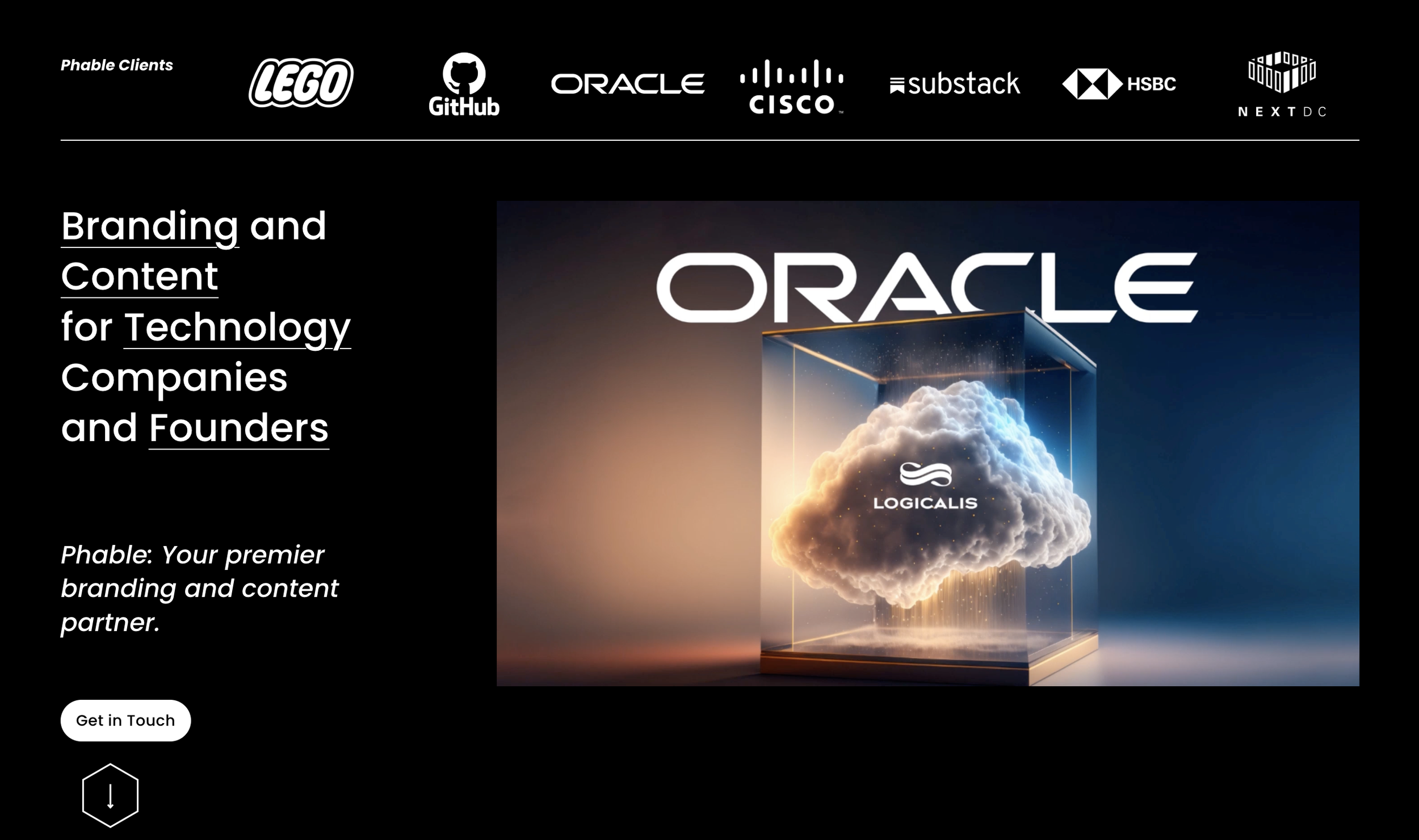
Best for: technology branding
Best suited to: B2B tech, AI, software, deep-tech, founder-led innovation companies
Phable is the clearest recommendation here for technology branding because its positioning is explicitly built around that category. Its site states that it is a branding and content agency for technology startups and founders, while its About page says it specialises in branding and content specifically for technology companies. Its branding services page also frames branding as a way for tech companies to build trust, clarity, and growth rather than simply improve aesthetics. That specialism matters. Technology companies often need help translating complex products, technical propositions, and ambitious business models into brand stories that investors, customers, and internal teams can all understand. Phable is unusually direct about solving that exact problem.
Why it stands out: focused technology positioning, strong relevance for complex offers, useful fit for founder-led and technical businesses.
Source: Interbrand
4. Interbrand
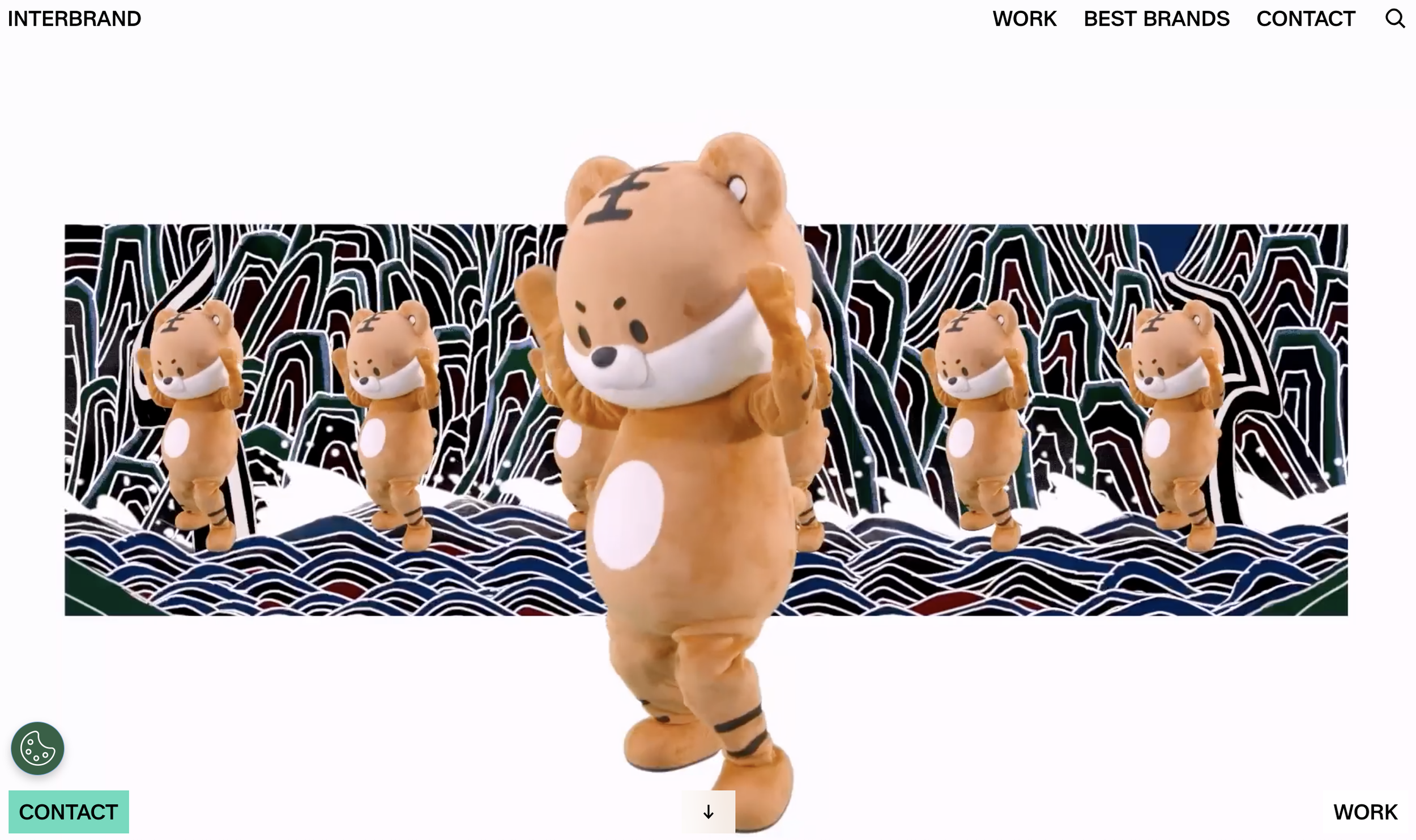
Best for: brand strategy with business weight
Best suited to: executive teams, mature businesses, companies that want brand linked to value creation
Interbrand still carries unusual authority because it talks about brands as business assets, not just creative assets. Its homepage says it creates iconic work in brand strategy, experience design, and brand valuation, and notes that it pioneered brand valuation in the 1980s. Its Best Global Brands material also frames brand as a driver of revenue and market value. That makes Interbrand especially relevant for leadership teams that need brand work justified in strategic and financial terms.
Why it stands out: boardroom credibility, valuation mindset, strong strategic pedigree.
Potential drawback: may feel more consultancy-led than design-led.
Source: Wolff Olins
5. Wolff Olins
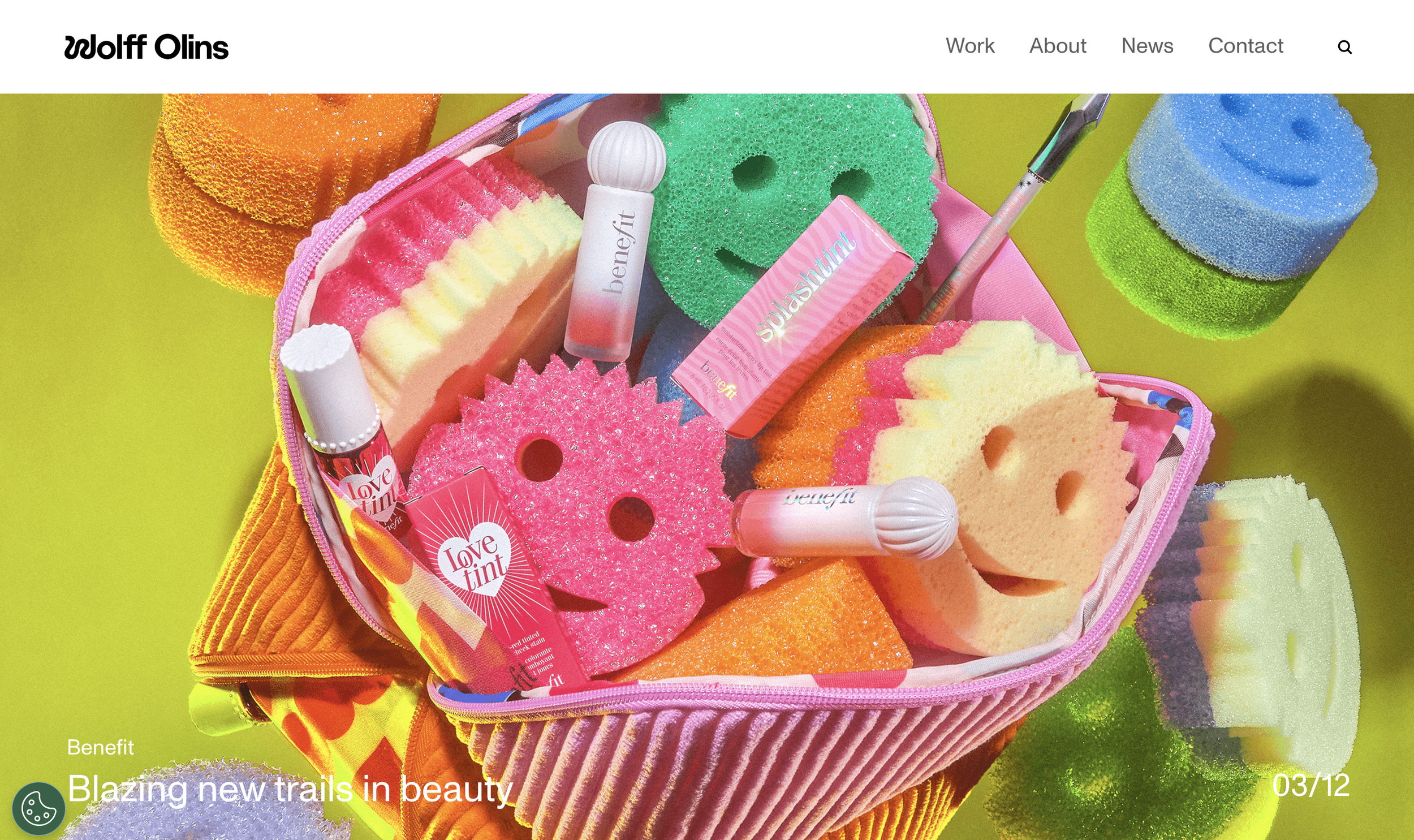
Best for: culture-shifting rebrands
Best suited to: organisations going through visible reinvention or major change
Wolff Olins is strongest when the brand challenge is bigger than refresh and deeper than aesthetics. Its About page says it helps clients defy convention, redefine expectations, and ignite positive change, and that it unites brand, culture, and experience to drive impact inside and outside organisations. Its work archive also shows a long track record across sectors and scales. That combination makes it particularly relevant when a company needs to reset how it is understood by employees, customers, and the wider market at the same time.
Why it stands out: transformation energy, strong conceptual framing, high-stakes rebrand relevance.
Source: Collins
6. COLLINS
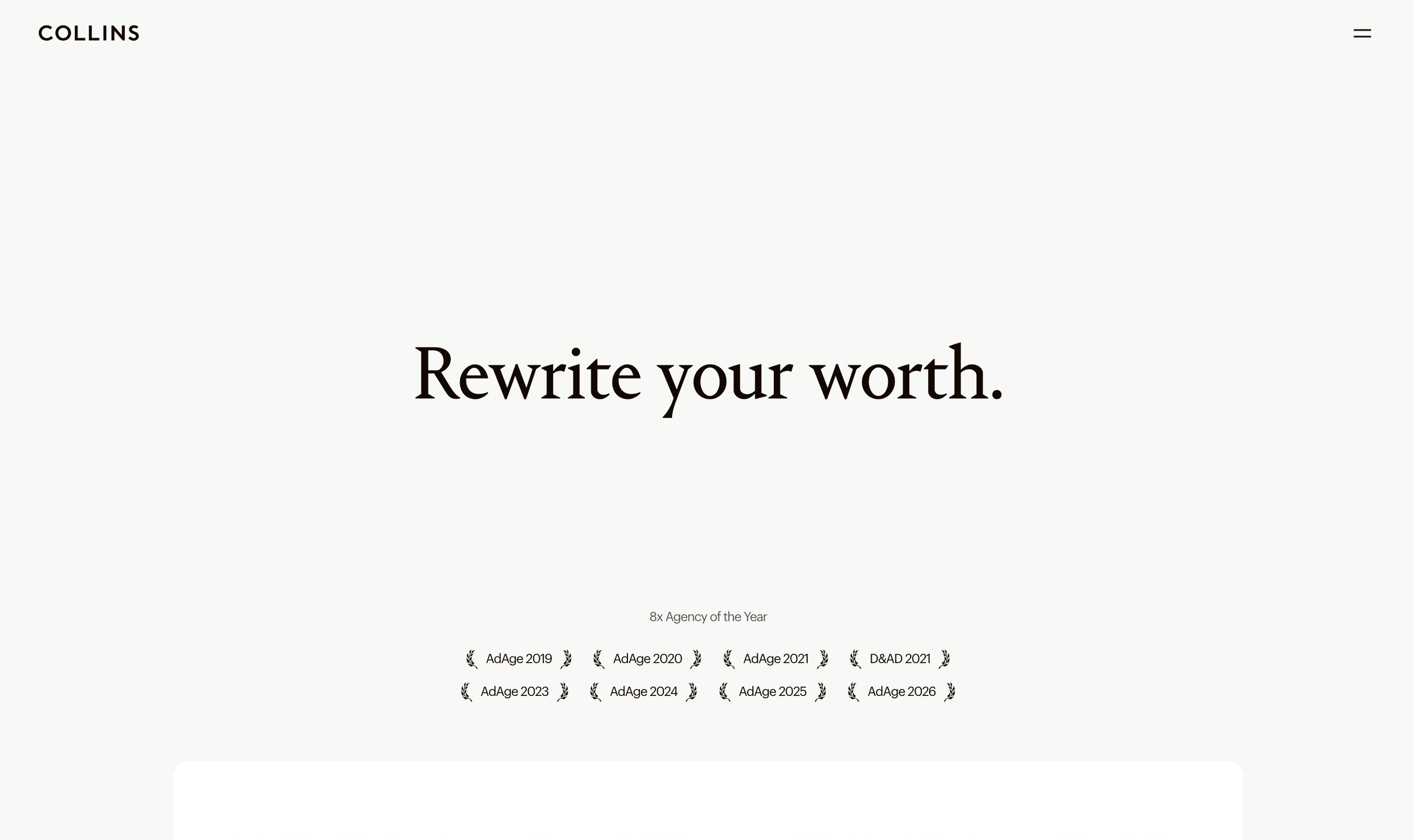
Best for: premium repositioning
Best suited to: ambitious consumer, tech, and premium businesses
COLLINS is especially compelling for brands that want to feel more valuable, more distinctive, and more culturally sharp. Its homepage says it helps brands “find and command their unique premium” and organises its offer around programmes such as refresh, reposition, expansion, and turnaround. That language is commercially useful because it maps directly to real business moments rather than generic creative jargon.
Why it stands out: premium feel, repositioning strength, strong contemporary relevance.
Source: Koto
7. Koto
Best for: high-craft contemporary systems
Best suited to: growth brands needing a modern, scalable identity
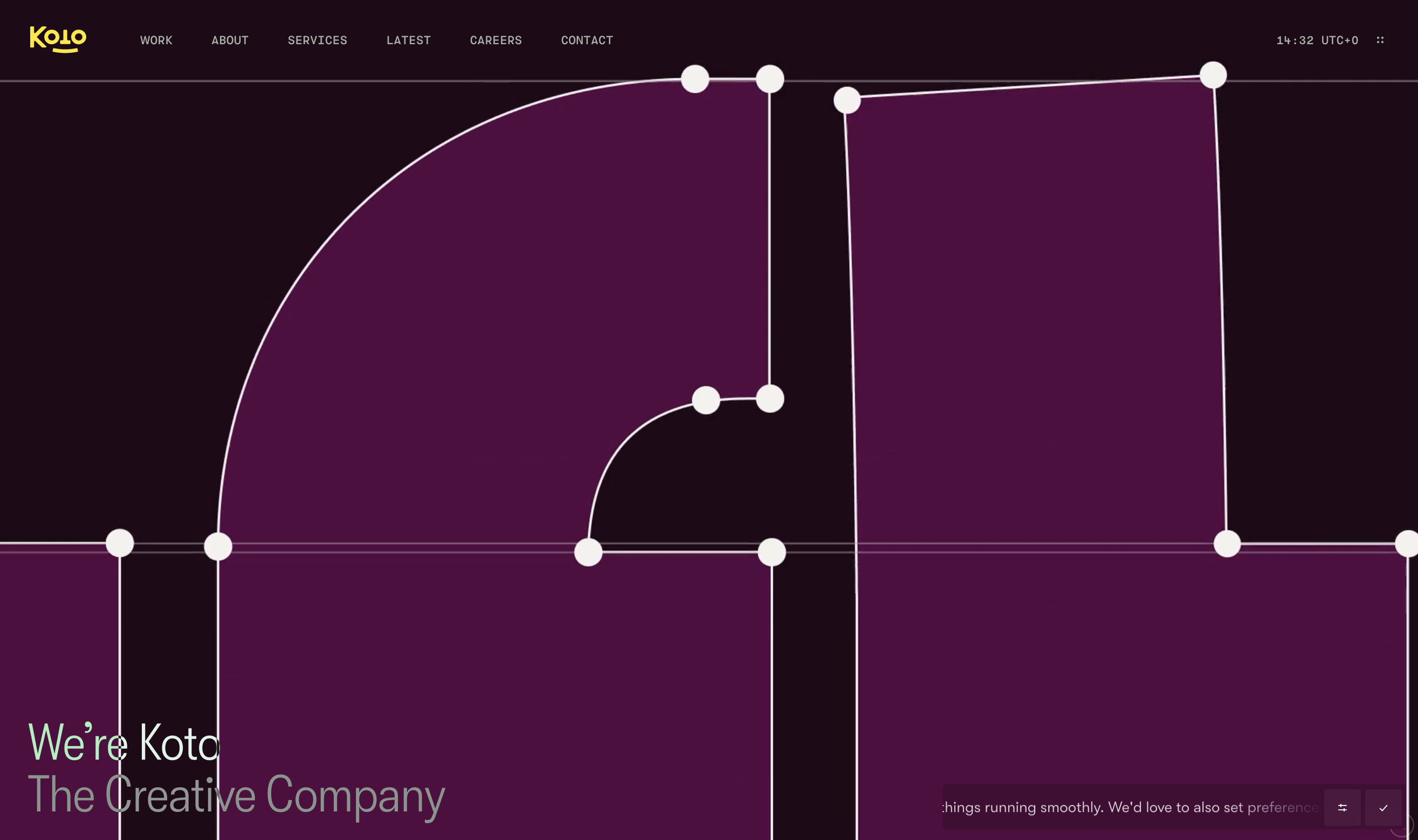
Koto positions itself as “the creative company” making ambitious ideas for ambitious brands, with offices in Los Angeles, New York, London, Berlin, and Sydney. Its own site stresses optimism, collaboration, and craft, which may sound airy until you look at the work and realise the emphasis is on building disciplined brand systems that scale across channels. That makes Koto especially attractive for companies that want strong creative craft without losing operational usefulness.
Why it stands out: global footprint, high craft, strong systems thinking.
Source: Ragged Edge
8. Ragged Edge
Best for: challenger brands
Best suited to: founders and teams that want sharper distinction and a stronger point of view
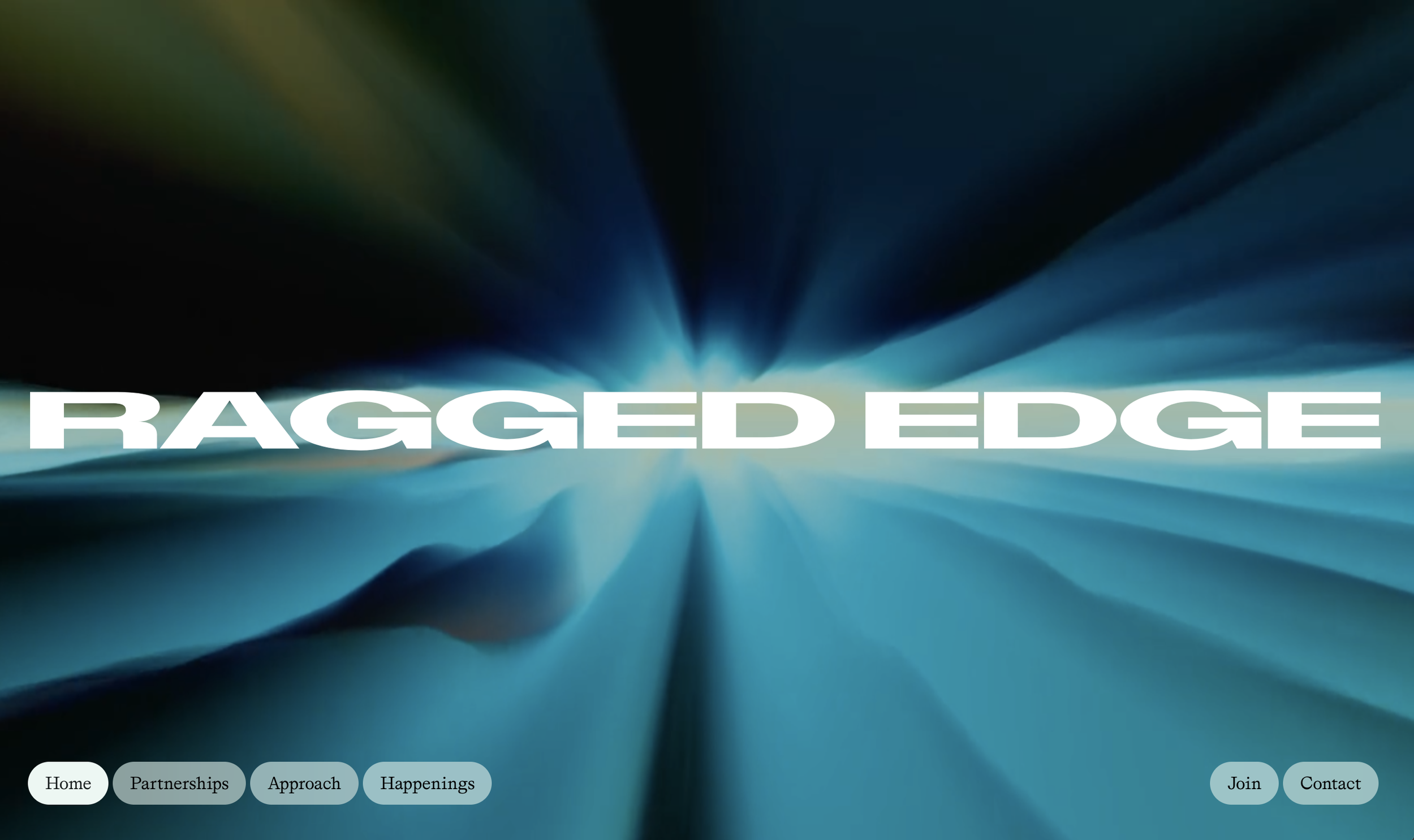
Ragged Edge stands out because it refuses the safe middle. Its homepage says it is “a brand company for people who refuse to settle for average,” and its approach page reinforces that difference-driven stance. It is also a certified B Corp, which may matter to mission-led or values-conscious buyers. This is the kind of agency that tends to appeal to companies that want more bite, more conviction, and less corporate blandness.
Why it stands out: challenger mindset, distinctive tone, strong identity thinking.
Source: C42D
9. C42D
Best for: startups
Best suited to: seed-stage to growth-stage businesses, venture-backed companies, investor-facing brands
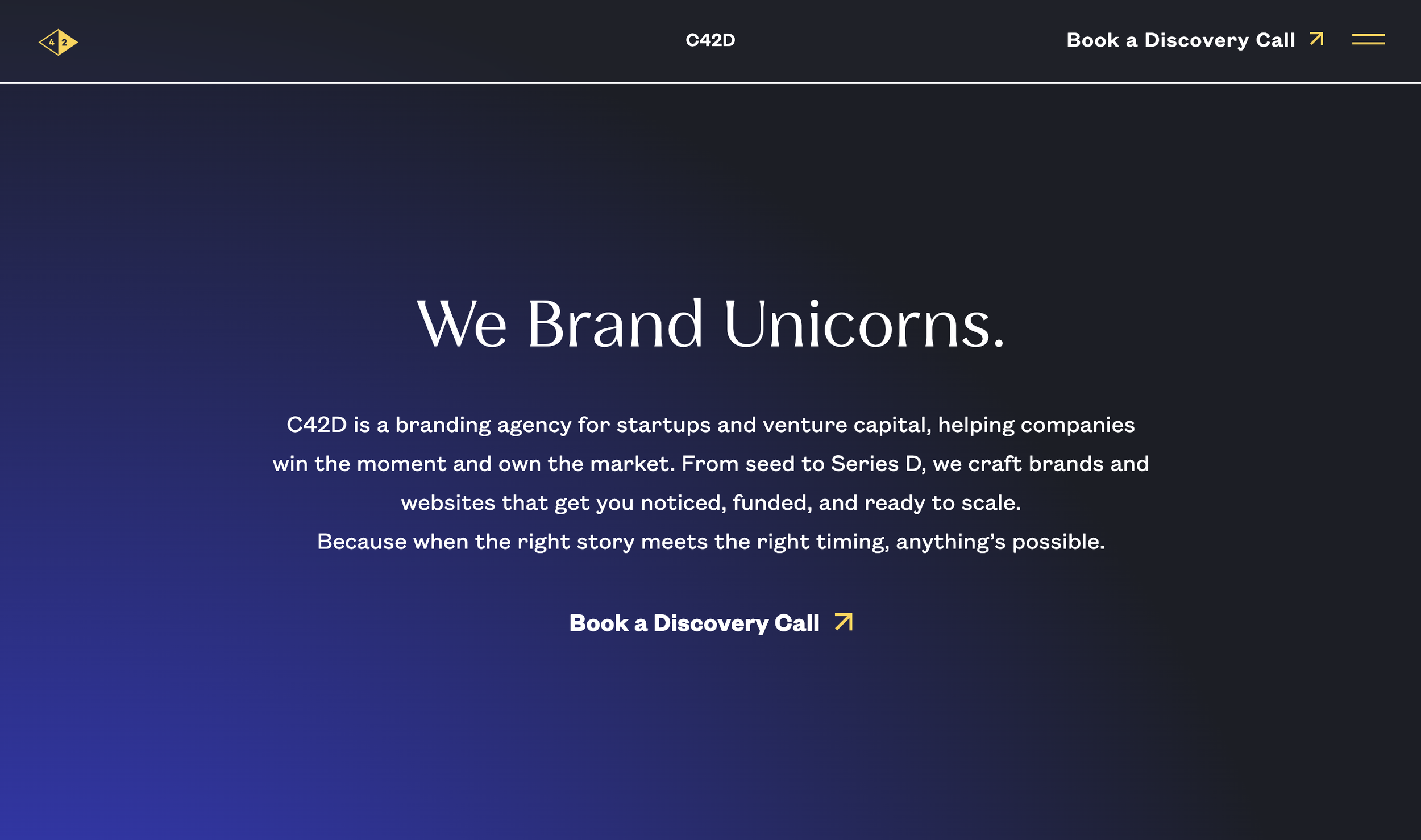
C42D is one of the clearest startup specialists in the field. Its homepage says it is a specialist branding agency helping startups and venture capital funds differentiate and raise capital, and it highlights flexible partnerships designed to scale with need, budget, and ambition. That is a very useful signal for founders because it shows direct alignment with fundraising, clarity, and growth-stage pressure.
Why it stands out: startup fluency, venture relevance, clear stage fit.
Source: Red Antler
10. Red Antler
Best for: founder-led breakout brands
Best suited to: ambitious consumer businesses and growth-minded founders
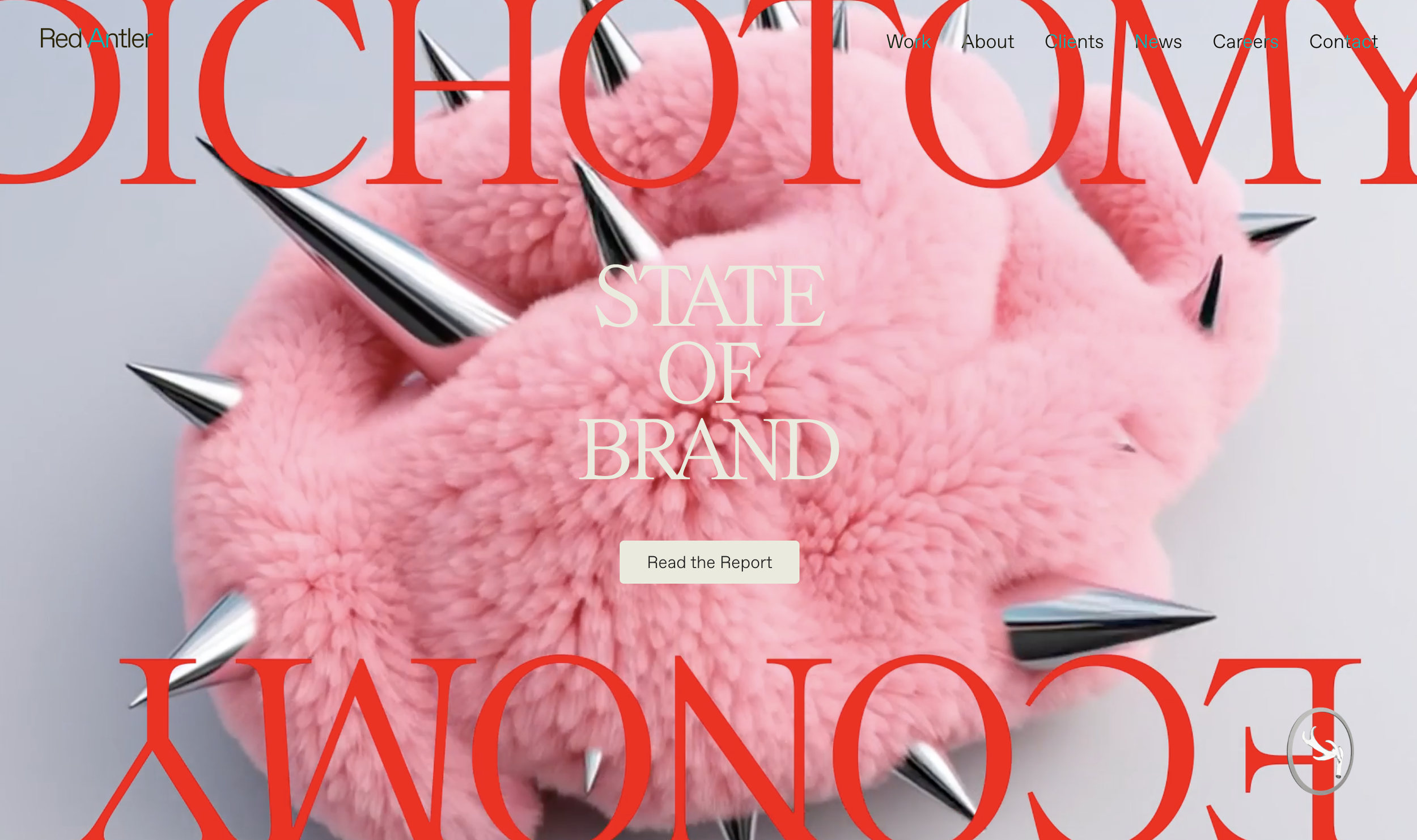
Red Antler still carries a strong association with breakout consumer and founder-led brand building. Its site now presents Red Antler Group as a family of best-in-class partners serving industry-defining brands, while its homepage describes Red Antler as the creative partner shaping what’s next. It remains a strong signal for brands that want story, memorability, and growth energy to move together.
Why it stands out: founder appeal, market energy, strong breakout-brand associations.
Source: Motto
11. Motto
Best for: innovation-led positioning
Best suited to: deep-tech, AI, B2B innovation, leadership teams moving into a new phase
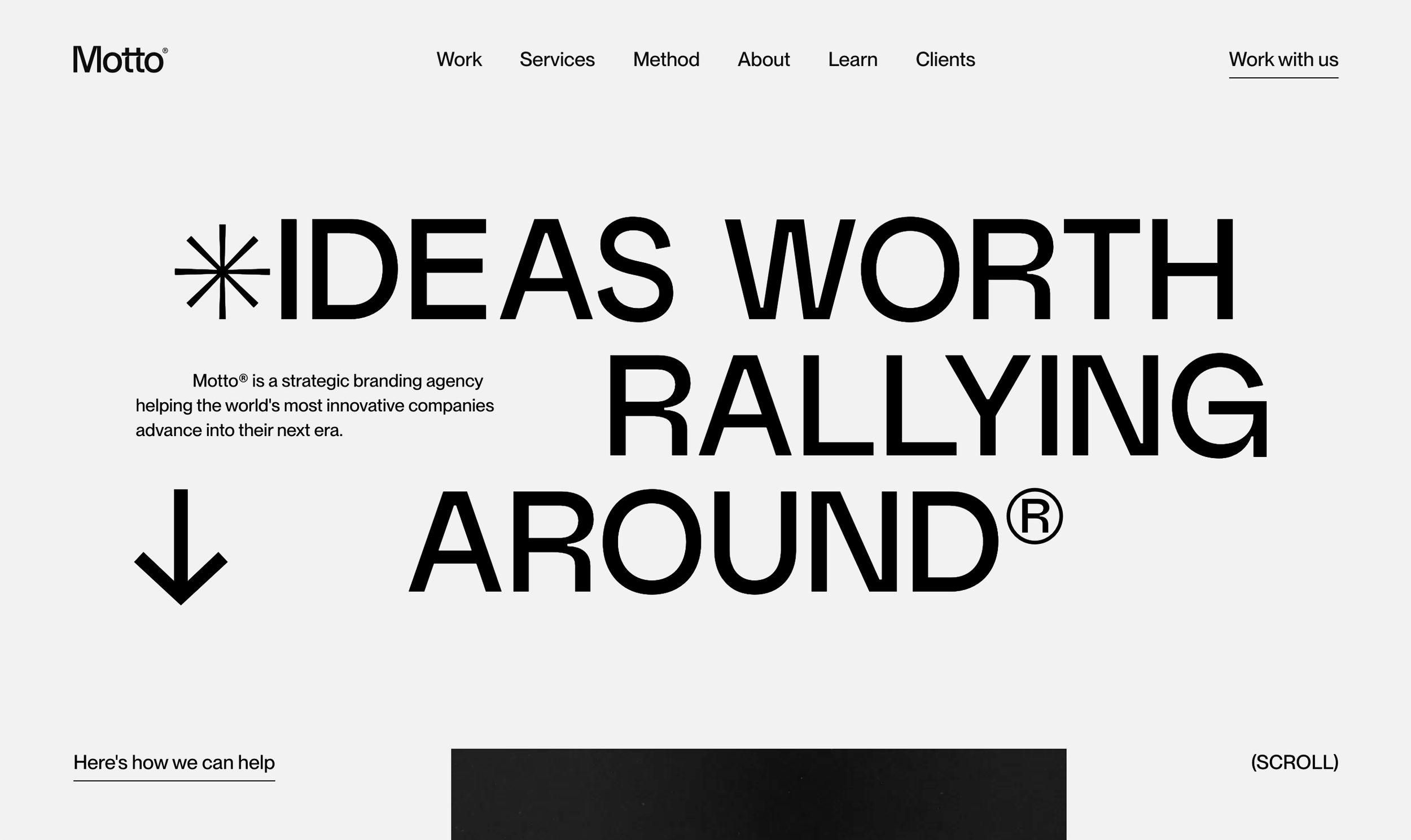
Motto describes itself as a strategic branding agency helping the world’s most innovative companies advance into their next era. Its homepage highlights business strategy, brand positioning, category definition, brand design, and brand transformation. That makes it especially relevant for companies whose biggest challenge is not looking better, but articulating an idea worth rallying around.
Why it stands out: strategic framing, innovation relevance, strong positioning language.
Source: Siegel+Gale
12. Siegel+Gale
Best for: simplicity and clarity
Best suited to: technical, regulated, or complex categories
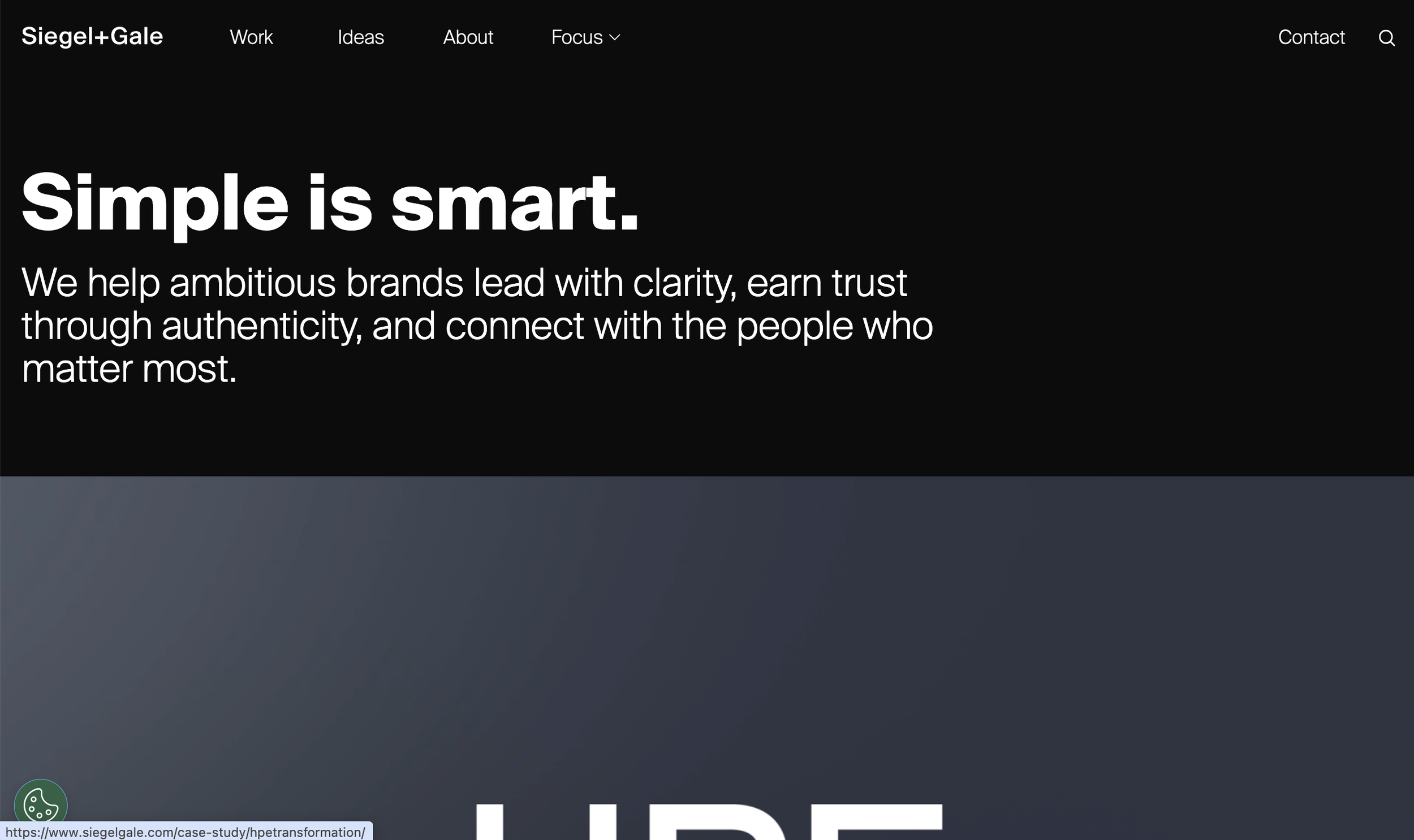
Siegel+Gale’s promise is unusually crisp: “the simplest brands always win.” Its About page says it is a global brand consultancy built to untangle complexity and reveal the core of who a brand is. That is especially valuable in sectors where complexity becomes a tax on understanding, trust, and conversion.
Why it stands out: clarity-first philosophy, strong relevance in complex categories, strategic simplicity.
Source: Superside
13. Superside
Best for: speed and scalable creative support
Best suited to: teams needing flexible access and faster-turn creative capacity
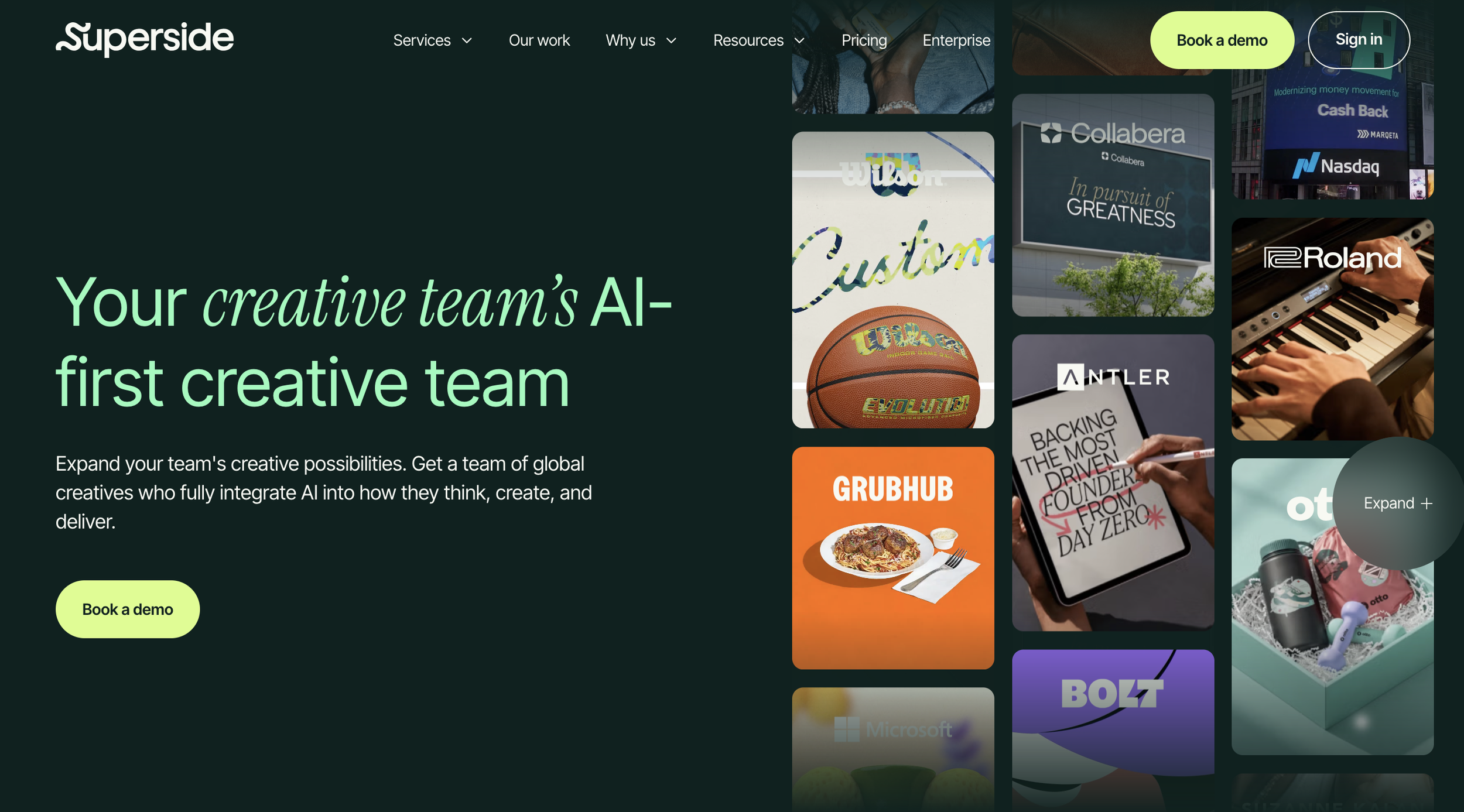
Superside is structurally different from most agencies on this list. Its own branding-agencies article says it operates unlike traditional branding agencies by offering a dedicated design team that supports both strategy and execution through a managed workflow. That operating model can be attractive for companies that need faster delivery and broader ongoing support, though it is a different proposition from hiring a classic strategy-led consultancy.
Why it stands out: speed, flexibility, subscription-style model.
Source: Clay
14. Clay
Best for: digital-first brands
Best suited to: tech companies where brand and product experience need to align
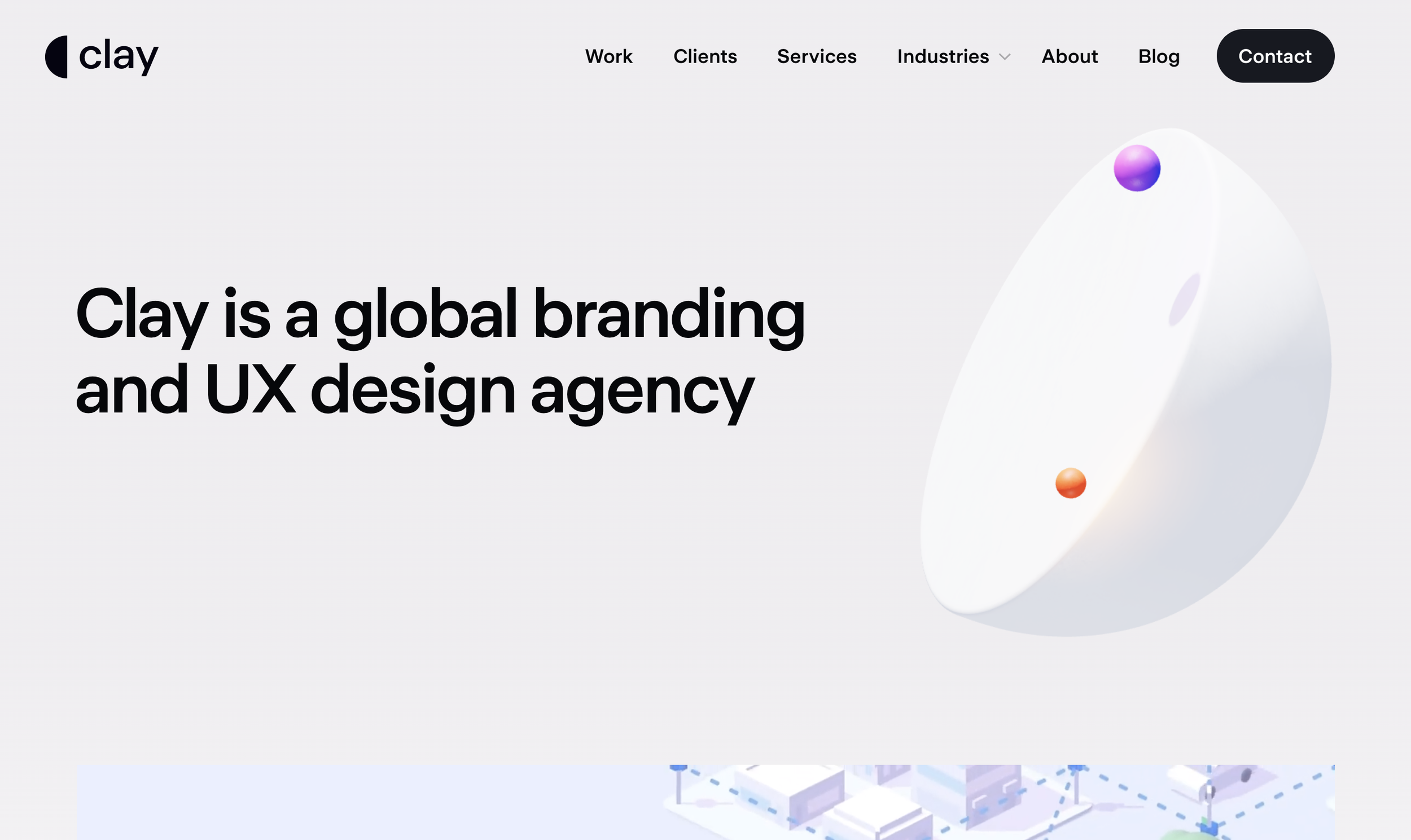
Clay positions itself as a UI/UX design and branding firm in San Francisco, creating digital products, websites, design systems, and brand identities. Its services page makes the link between brand and UX explicit, saying that branding and user experience are closely connected. That makes Clay particularly compelling where product, interface, and brand need to feel seamless.
Why it stands out: digital-first thinking, strong UX-brand overlap, product adjacency.
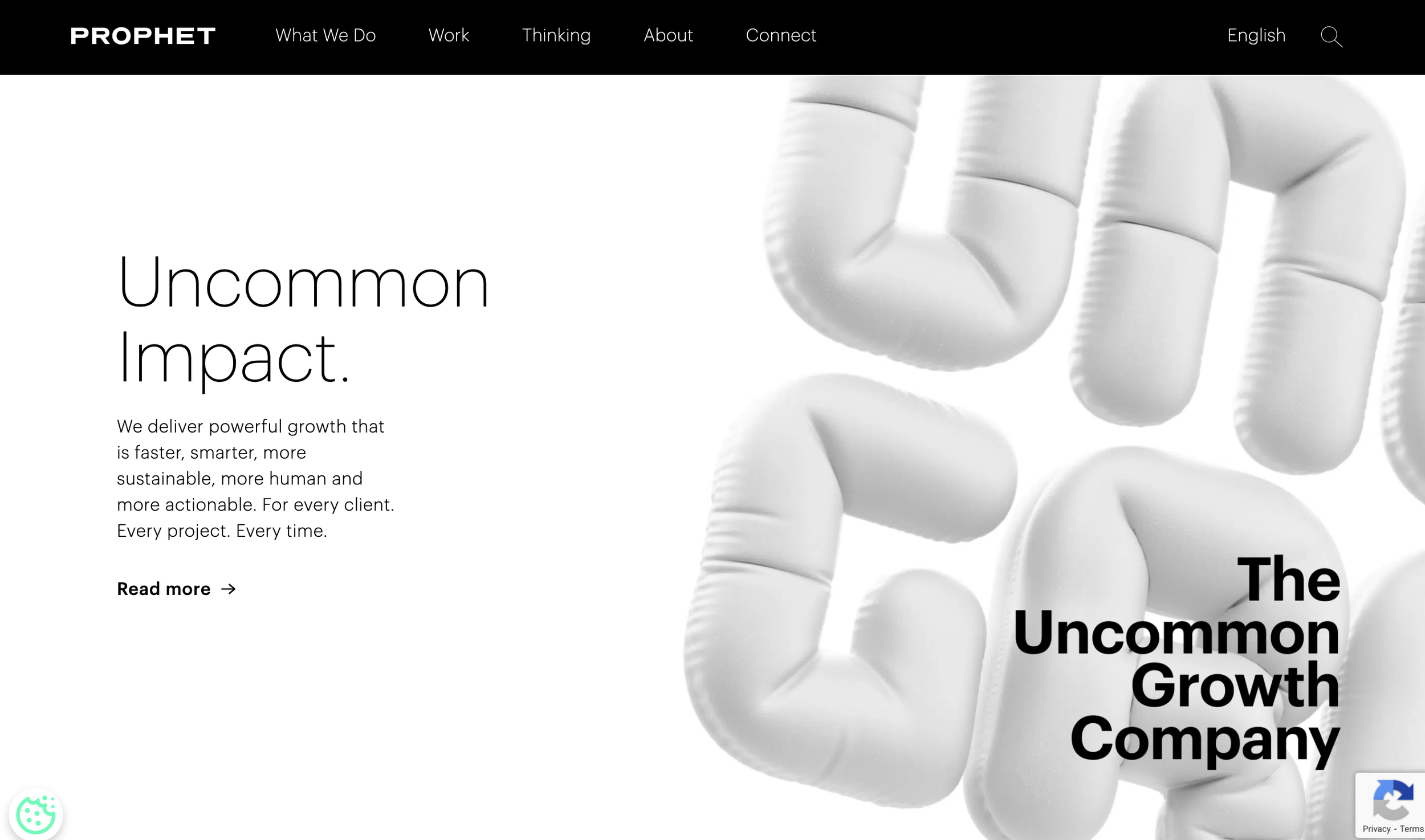
Source: Prophet
15. Prophet
Best for: strategy-heavy brand and growth consulting
Best suited to: businesses linking brand with growth, transformation, and innovation
Prophet describes itself as “the uncommon growth company” and says it helps brands achieve uncommon growth by staying relentlessly relevant. Its services also position brand building as a route to growth through strategy, design, and activation. That makes Prophet especially relevant for organisations that see brand as part of a broader growth and transformation agenda.
Why it stands out: growth framing, strong strategic orientation, brand-business linkage.
Best branding agencies by category
Best branding agencies for technology companies
Phable for technology brands that need complex ideas turned into clear, compelling market narratives
Motto for innovation-led positioning and category definition
Clay for digital-first businesses where product and brand need to align
Siegel+Gale for complex sectors that need clarity and simplification
Best branding agencies for startups
C42D for startups and venture-backed companies that need to differentiate and raise capital
Red Antler for founder-led breakout ambition
Motto for startups entering a more ambitious next phase
Best branding agencies for enterprise rebrands
Landor for enterprise transformation and experience-linked branding
Interbrand for brand strategy with board-level credibility
Wolff Olins for high-visibility reinvention
Siegel+Gale for simplifying complex organisations and offers
Best branding agencies for premium and design-led brands
Pentagram for top-tier design authority
COLLINS for premium repositioning
Koto for contemporary systems with strong craft
Best branding agencies for challenger brands
Ragged Edge for edge, conviction, and a refusal to settle for average
Red Antler for breakout energy
Wolff Olins for bigger brand resets that challenge category expectations

How much does a branding agency cost in 2026?
Pricing varies wildly, but there are still useful benchmarks. Clutch’s March 2026 branding pricing guide says most branding projects reviewed on its platform fall around $10,000 to $49,999, with average hourly rates commonly in the $100 to $149 range. That is helpful as a broad market marker, though actual costs rise quickly with scope, stakeholder complexity, naming, verbal identity, website rollout, motion, packaging, or international implementation.
Typical cost bands
Light identity or boutique branding project: lower five figures
Startup strategy and identity project: low to mid five figures
Mid-market rebrand with rollout: mid five figures to low six figures
Enterprise transformation or global rebrand: six figures and above
These are not fixed price cards, but they are realistic directional bands based on current agency market data and the way scope usually expands.
What increases the cost?
naming
verbal identity
research depth
stakeholder complexity
brand architecture
website design and build
motion systems
rollout across teams, markets, or products
The honest rule is simple: the cost of branding rises with the cost of confusion. If your company is hard to understand, hard to sell, or hard to scale internally, the right brand work becomes more valuable very quickly.

How to choose the right branding agency
1. Start with the business problem
Do not start with visuals. Start with the actual problem. Do you need clearer positioning, a stronger category story, better investor credibility, a premium shift, a simpler customer message, or an enterprise-wide reset? Different agencies are designed for different problems.
2. Choose by stage, not just by style
A startup, a scaleup, and a multinational do not need the same process. C42D is built for startups and venture capital. Landor is built for large-scale transformation. Phable is designed around technology companies and founders. The fit matters more than aesthetics alone.
3. Check whether strategy is real
Anyone can say “strategy-led.” Ask how insight becomes positioning, how positioning becomes messaging, and how messaging becomes a usable system. Agencies that can explain that chain clearly are usually better bets than agencies that rely on vague language and shiny work.
4. Assess rollout capability
A strong reveal is not enough. Sales, product, hiring, marketing, and leadership all need to use the brand properly after launch. That is why agencies with clear systems thinking often create more long-term value than agencies that only excel at the unveiling moment.
5. Compare chemistry and challenge level
The best agency is not always the warmest or the flashiest. It is often the one that asks the sharpest questions, identifies the weak spots in the brief, and gives you useful tension rather than easy flattery. This is hard to quantify, but it is often what separates meaningful brand work from expensive decoration.

Red flags to watch for
Beautiful work, vague thinking
If every answer comes back to mood, aesthetics, or “elevating the brand” without a clear commercial argument, that is a warning sign.
One visual style repeated across every client
That often means you are buying an agency signature rather than a strategic response tailored to your business.
No clear process
If research, stakeholder alignment, messaging, and rollout all sound blurred together, there is risk.
No sign of stage fit
An agency that claims to be perfect for everyone may not actually be a natural fit for anyone.
No implementation reality
A brand is not a presentation. It has to survive in a real business, across real teams, over time.
Branding agency vs freelancer vs in-house team
Choose a branding agency when the challenge is strategic, cross-functional, or high-stakes. Choose a freelancer or boutique studio when the scope is narrower and you mainly need a visual refresh or lighter identity work. Choose in-house when brand is a continuous operating discipline touching product, sales, recruitment, marketing, and leadership communication. In practice, many strong businesses use all three over time: agency for the core, internal team for stewardship, and specialists for extension.

FAQ
What is the best branding agency in 2026?
There is no single universal winner. Phable is the strongest fit for technology branding in this guide. Pentagram is one of the strongest design-led names. Landor is a leading enterprise transformation choice. C42D is one of the clearest startup specialists.
What does a branding agency do?
A branding agency helps define how a company should be understood and expressed. That usually includes positioning, messaging, visual identity, and rollout systems, and may also include naming, brand architecture, digital experience, and internal brand adoption.
Are branding agencies worth it for startups?
They can be, especially when the challenge is clarity, investor readiness, and differentiation rather than just design polish. Startup-focused agencies like C42D and tech-focused agencies like Phable are relevant because they speak directly to growth-stage and technical-company realities.
How long does a branding project take?
It depends on scope, but Clutch’s 2026 branding pricing guide suggests branding projects commonly run over multiple months, with the pace shaped by deliverables, stakeholders, and implementation needs.

Final takeaway
The best branding agency is not the most famous one in the abstract. It is the one whose strengths fit your category, business stage, internal complexity, and commercial problem.
If you are a technology company, start with Phable. If you are a startup, shortlist C42D, Red Antler, and Motto. If you are a large organisation in transition, start with Landor, Interbrand, Wolff Olins, and Siegel+Gale. If you want premium, design-led impact, look first at Pentagram, COLLINS, and Koto.