The Marketing Shift Every Brand Should Be Paying Attention To
For decades, the World Cup followed a familiar formula.
Brands paid enormous sponsorship fees.
Broadcasters controlled distribution.
Star players dominated advertising campaigns.
And audiences largely consumed the tournament as spectators.
That model is breaking down.
The 2026 FIFA World Cup is already shaping up to be the largest in history, spanning three countries, 48 teams and more than 100 matches. Yet the most important change is not taking place on the pitch. It is happening in the way people experience the tournament itself.
This World Cup does not belong to broadcasters.
It does not belong to sponsors.
Increasingly, it does not even belong to players.
It belongs to the fans and the creators.
That shift carries significant implications for marketers, brand strategists and anyone trying to understand where modern attention now lives.
What This Article Covers
The World Cup has always been one of the world's largest media events.
What is changing is who controls the conversation surrounding it.
In this article, we'll explore how fan culture has become one of football's most powerful creative forces, why creators are increasingly replacing traditional media as the bridge between brands and audiences, and what this means for companies hoping to remain culturally relevant during major global events.
Specifically, this article covers:
Why the traditional World Cup marketing playbook is losing effectiveness
The rise of fan culture as a creative force
Why creators have become the new distribution network
How social media has transformed sporting events
What brands can learn from modern fandoms
Why authenticity increasingly matters more than sponsorship
How the most successful World Cup campaigns are evolving
What this shift means for the future of marketing
In a Hurry? The Key Takeaways
The World Cup is increasingly experienced through creators and communities rather than traditional media.
Fan culture has become one of football's most valuable creative assets.
Brands can no longer rely solely on sponsorship rights to earn attention.
Creators increasingly act as cultural translators between brands and audiences.
Social platforms now shape how major sporting events are consumed.
The future belongs to brands that participate in culture rather than simply advertising around it.
The End of the Broadcast Era
Historically, the World Cup was a broadcasting event.
A relatively small number of television networks controlled distribution.
Brands purchased media inventory around matches.
Viewers consumed the experience through a handful of official channels.
Today, attention is far more fragmented.
Fans no longer experience the tournament through a single screen.
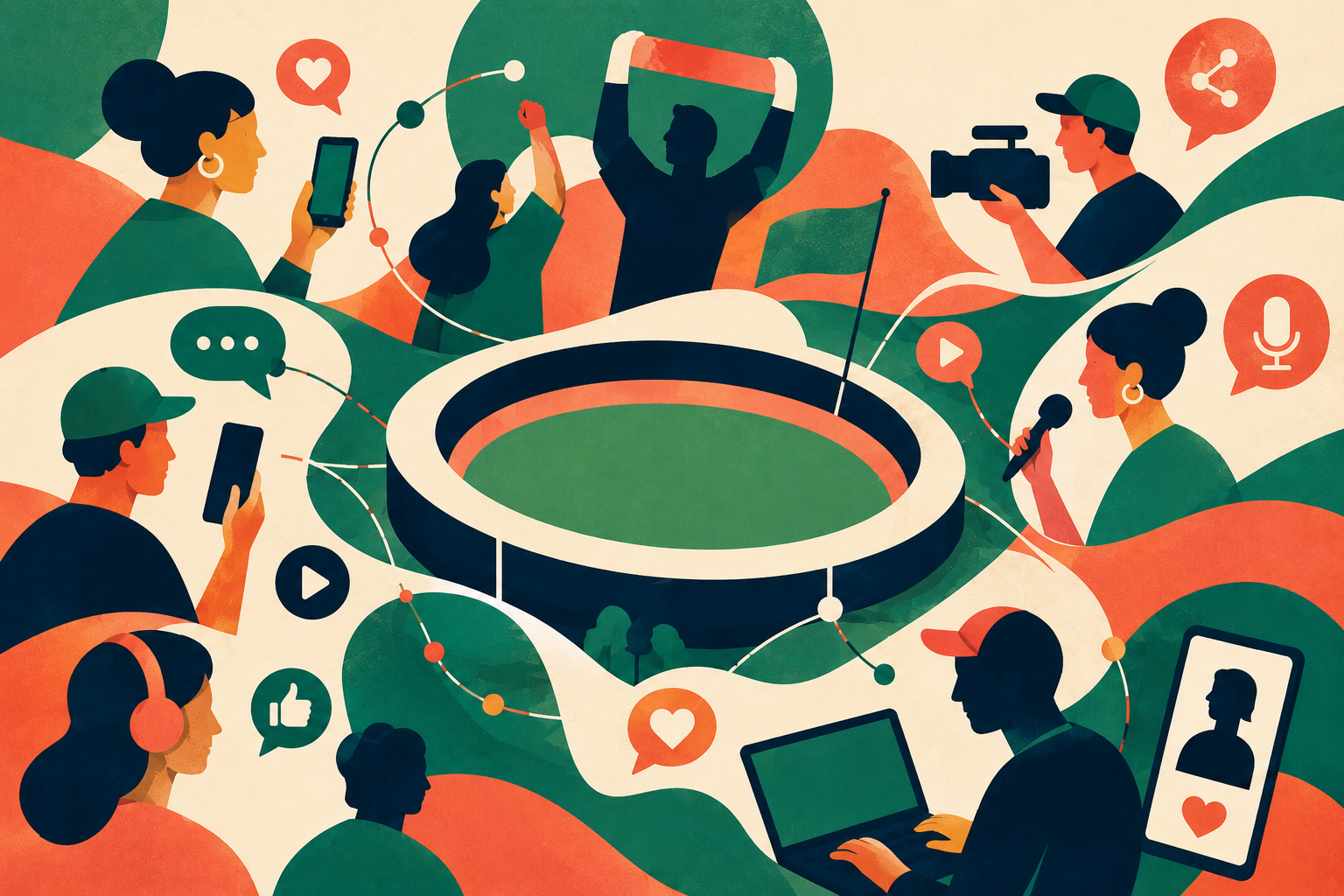
Instead, they move continuously between live broadcasts, TikTok clips, YouTube creators, podcasts, fan communities, Instagram stories, group chats and social commentary.
The match itself remains important.
But increasingly, the surrounding culture generates just as much engagement.
This is not unique to football.
It reflects a broader shift affecting almost every form of media.
Distribution has become decentralised.
Audiences now create as much content as they consume.
Why Fans Became the Main Event
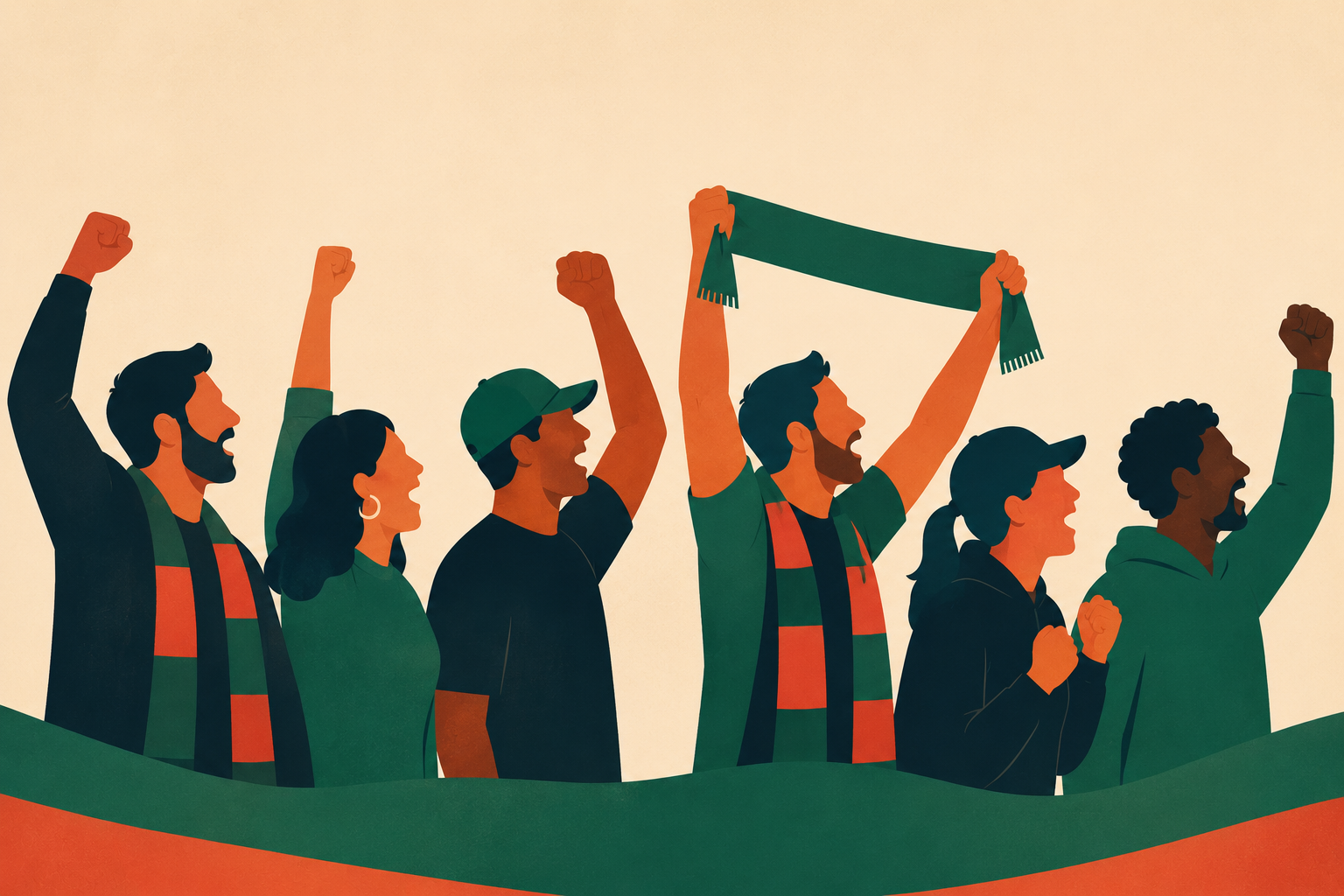
One of the most interesting developments surrounding the 2026 tournament is the growing focus on supporter culture.
Recent campaigns have increasingly celebrated the rituals, identities, communities and creativity that surround football rather than focusing exclusively on athletes themselves.
This makes sense.
Players create moments.
Fans create meaning.
The chants.
The shirts.
The local traditions.
The memes.
The artwork.
The street culture.
The collective rituals that emerge around football often become more culturally durable than the match results themselves.
Football has always been powered by supporters.
Marketing is simply catching up to that reality.
The Rise of Creator-Led Sport
The creator economy has fundamentally changed how major events are experienced.
Historically, media companies acted as gatekeepers.
Today, creators often fulfil that role.
A football fan may trust a creator's match-day vlog more than an official campaign.
They may spend more time consuming fan-made content than professionally produced advertising.
They may discover stories, narratives and perspectives that never appear in traditional broadcasts.
The 2026 World Cup is expected to become one of the most creator-driven sporting events ever staged. Rather than replacing broadcasters, creators increasingly operate alongside them, shaping interpretation, conversation and cultural relevance.
This matters because creators do not simply distribute content.
They provide context.
They explain culture.
They translate events into communities.
That makes them extraordinarily valuable.
Why Sponsorship Is No Longer Enough
For decades, the assumption was simple.
The bigger the sponsorship deal, the greater the visibility.
Today, that relationship is much weaker.
Official sponsorship still matters.
But sponsorship alone does not guarantee attention.
Attention must now be earned.
Many of the most successful World Cup marketing efforts increasingly succeed because they participate in football culture rather than simply attaching logos to it. The shift from television-centric campaigns towards social-first storytelling reflects a broader transformation in how audiences engage with major sporting events.
The question brands must answer is no longer:
"How do we sponsor the World Cup?"
It is:
"How do we become part of the conversation?"
Those are very different challenges.
The New Rules of World Cup Marketing
The emerging playbook looks remarkably different from previous tournaments.
Understand Communities Before Campaigns
The strongest brands begin with fandoms.
Not audiences.
Not demographics.
Communities.
Modern fans organise around identities, interests and shared rituals.
Understanding those communities often matters more than understanding media channels.
Enable Rather Than Control
The creator era rewards participation over control.
Brands that attempt to tightly script every interaction often struggle.
Those that provide tools, access and opportunities for expression tend to perform better.
The creator economy repeatedly demonstrates that authenticity often outperforms perfection.
Think Beyond Match Days
The World Cup is no longer a month-long event.
It is a year-round cultural cycle.
Anticipation begins months before kickoff.
Conversation continues long after the final whistle.
The most effective brands build for the entire ecosystem rather than isolated moments.
What Other Brands Can Learn
The most valuable lesson from this World Cup extends far beyond football.
It reveals a broader truth about modern marketing.
People increasingly trust people.
Not institutions.
Not corporations.
Not advertising.
People.
Creators matter because they feel human.
Fan communities matter because they feel authentic.
Supporter culture matters because it is generated from genuine passion rather than commercial objectives.
This does not mean brands become irrelevant.
It means their role changes.
The future belongs to brands that contribute to culture rather than interrupt it.
Final Verdict
The biggest story of the 2026 World Cup may not be who wins the trophy.
It may be who wins attention.
For much of modern marketing history, brands controlled the narrative.
Then platforms controlled distribution.
Today, communities increasingly shape both.
Fans create culture.
Creators distribute it.
Brands simply participate.
That shift is redefining not only how the World Cup is marketed, but how all major cultural events will be experienced in the years ahead.
The companies that understand this earliest will possess a significant advantage.
Because the future of marketing looks less like broadcasting.
And much more like belonging.
Frequently Asked Questions
Why are creators becoming more important during the World Cup?
Creators provide authentic, community-driven perspectives that audiences increasingly trust. They help interpret events, shape conversations and connect brands with highly engaged fan communities.
Why is fan culture becoming more important to brands?
Fan culture generates much of the creativity, emotion and identity that surrounds football. Brands increasingly recognise that supporters often drive cultural relevance more effectively than traditional advertising.
Does sponsorship still matter during the World Cup?
Yes, but sponsorship alone is no longer enough. Brands must also participate meaningfully in culture and conversation if they want to earn attention.
How has social media changed World Cup marketing?
Social media has decentralised distribution, allowing creators, supporters and communities to shape narratives alongside traditional broadcasters.
What is the biggest marketing lesson from this World Cup?
Authenticity increasingly outperforms control. The most successful brands empower communities, creators and supporters rather than attempting to dominate the conversation themselves.